FROM PERU TO ATLANTIS: THE REGIONAL SETTINGS OF THE ORIGINAL TOMB RAIDER
[ 1 July 2026 ]
The original Tomb Raider (1996) is structured across four distinct regional settings, each representing a different stage in Lara Croft's search for the Scion. Rather than remaining within a single country or archaeological site, the game moves between South America, Europe, North Africa and the lost civilisation of Atlantis. Each chapter introduces a different architectural style, environmental setting and series of challenges while advancing the narrative.
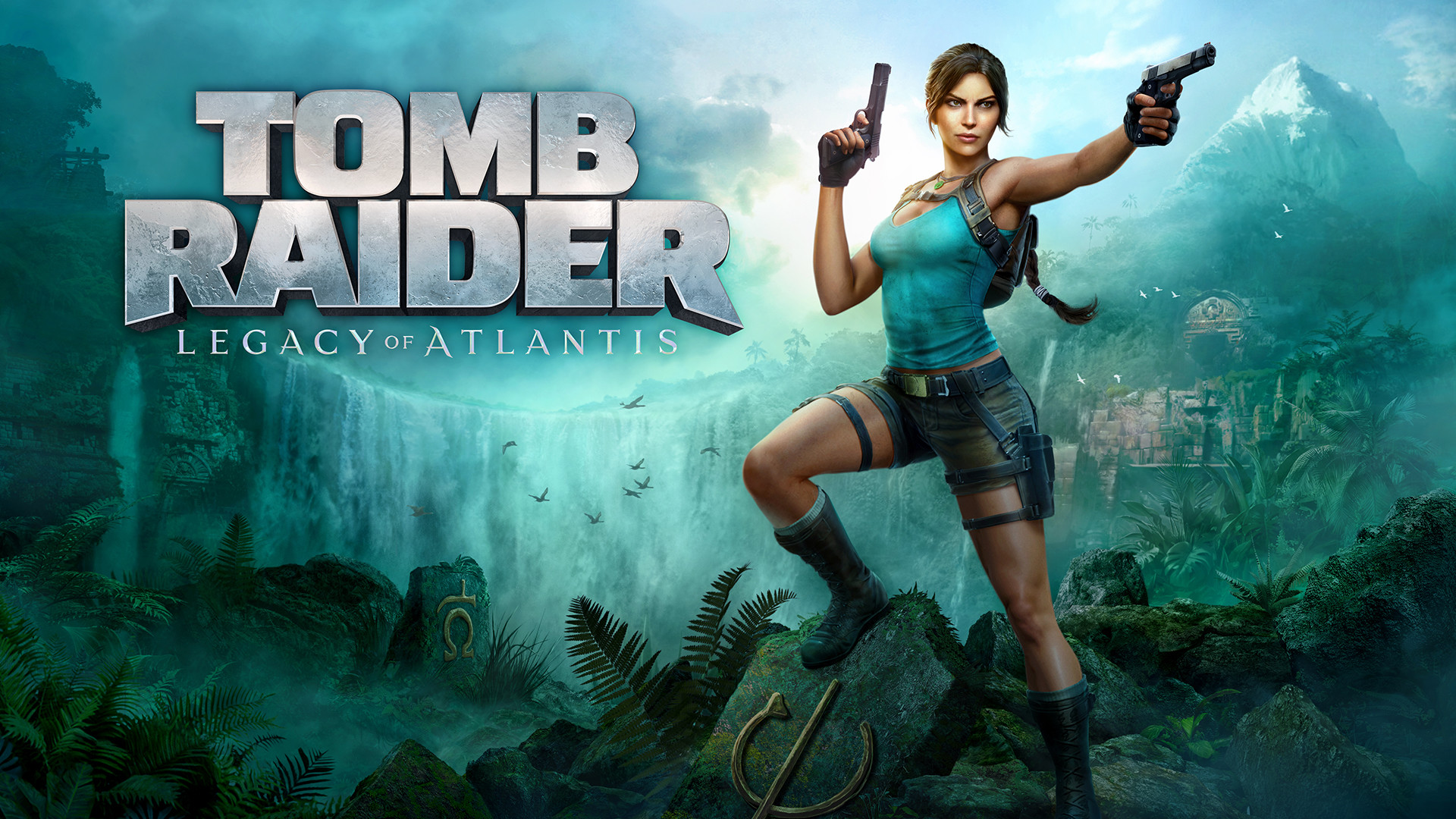
As work continues on the reimagining of the original game in Tomb Raider Legacy of Atlantis, these locations are expected to form the foundation of a modern interpretation of Lara Croft's first adventure.
Peru
The opening chapter takes place in Peru, where Lara explores cave systems, mountain ruins and the remains of the Incan city of Vilcabamba.
The region consists of four levels: Caves, City of Vilcabamba, The Lost Valley and Tomb of Qualopec. These levels introduce the game's core mechanics, including exploration, platforming, environmental puzzles and combat.
The Lost Valley marks a transition from enclosed cave environments to a wider open area populated by prehistoric wildlife. The chapter concludes in the Tomb of Qualopec, where Lara recovers the first fragment of the Scion before encountering another group searching for the artefact.
Greece
Lara's investigation then moves to Greece. Although generally referred to as the Greek chapter, the environments incorporate both Greek and Roman architectural influences.
This section comprises St. Francis' Folly, Colosseum, Palace Midas, Cistern and Tomb of Tihocan. The levels place greater emphasis on interconnected environments, environmental puzzles and traversal through large structures, including temples, arenas and underground waterways.
At the conclusion of the chapter, Lara obtains the second fragment of the Scion and learns more about the organisation responsible for assembling the artefact.
Egypt
The third chapter is set in Egypt, beginning with the City of Khamoon before continuing through the Obelisk of Khamoon and concluding in the Sanctuary of the Scion.
The Egyptian levels feature temples, tombs and ceremonial structures inspired by ancient Egyptian architecture. Progression relies on exploration, puzzle-solving and the collection of keys and artefacts required to unlock new areas.
By the end of the chapter, Lara has recovered the third fragment of the Scion, allowing the complete artefact to be assembled.
Atlantis
The final chapter begins in Natla's Mines, where Lara must recover her equipment before pursuing Jacqueline Natla to Atlantis.
The remaining levels, Atlantis and The Great Pyramid, depart from the architectural styles seen earlier in the game. Stone architecture is interspersed with organic growths and the products of Natla's experimentation, reflecting the final stage of the story.
The story concludes with Lara confronting Natla before escaping the collapsing island.
A Journey Across Four Regions
The original Tomb Raider is organised around four geographically distinct chapters that provide a clear sense of progression throughout the game. Each region introduces a different historical or fictional setting while maintaining the game's central focus on exploration, environmental puzzles and archaeological discovery.
Together, Peru, Greece, Egypt and Atlantis form the complete route of Lara Croft's first adventure and remain the framework upon which the forthcoming reimagining is expected to build.