TOMB RAIDER DEVELOPERS REFLECT ON THE CREATION OF LARA CROFT
[ 3 November 2026 ]
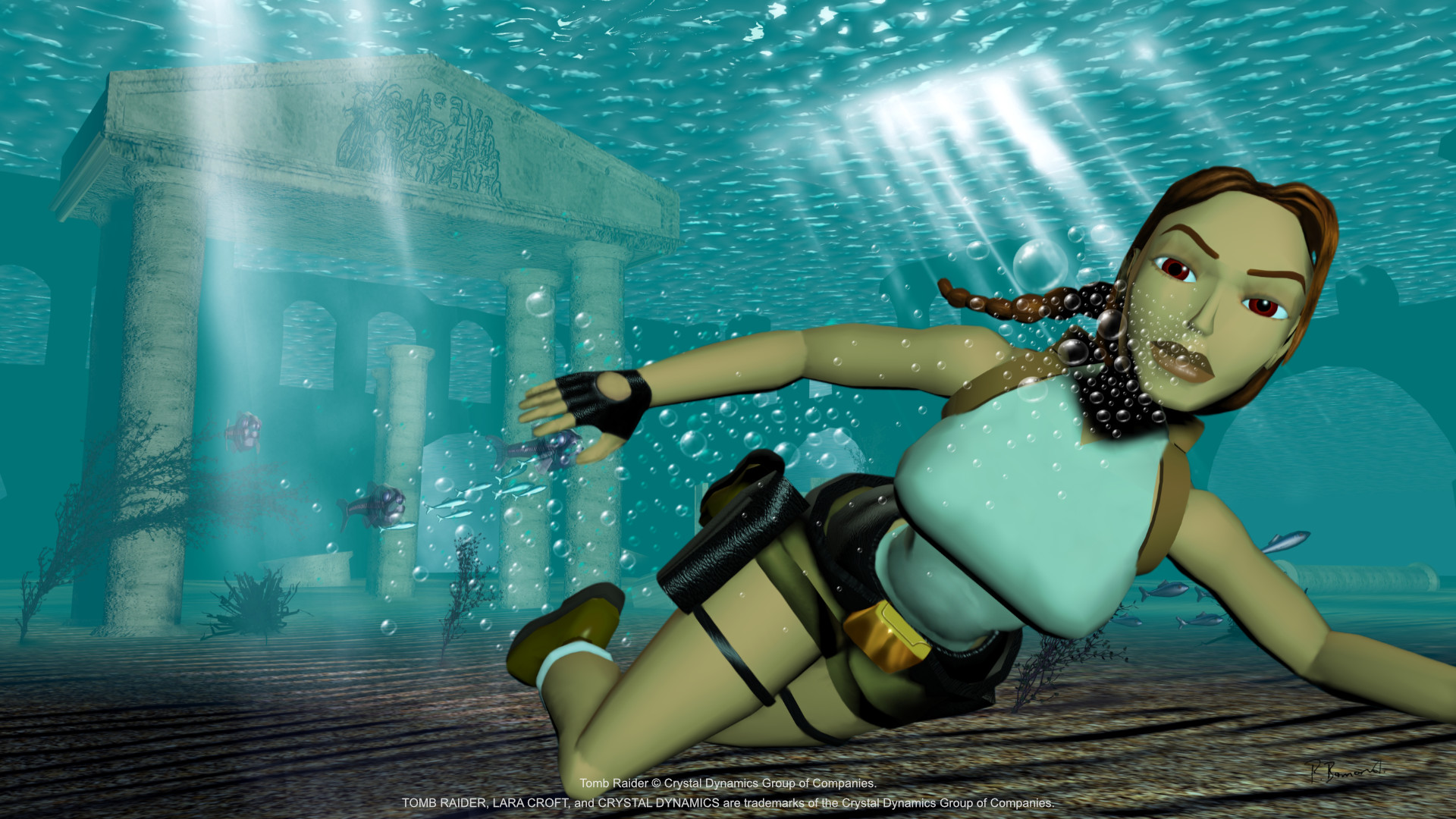
Paul Douglas and Heather Stevens, two members of the original Tomb Raider development team at Core Design, have discussed the creation of Lara Croft, the challenges of developing the 1996 video game and the financial impact of its commercial success. In interviews published by The Guardian on 2 November 2026, the former Core Design developers reflected on the game's production, character design and working conditions at the Derby-based studio.
Douglas, who served as lead programmer and co-creator, recalled joining Core Design in 1994 and being introduced to Toby Gard's original concept for Tomb Raider. Following approval from Core Design co-founder Jeremy Heath-Smith, development proceeded with four principal gameplay elements comprising platforming, puzzles, combat and story. Douglas also explained that Lara Croft underwent several revisions, initially conceived as a Latina character before becoming a British mercenary and subsequently an aristocrat through contributions from scriptwriter Vicky Arnold. The game's movement system was developed by Douglas and Gard using physical measurements taken in the studio car park.
Development involved extended working hours and technical restrictions. Douglas revealed that he took only three days of holiday over two years, while he and Gard regularly worked until the early hours of the morning, including weekends. Level designer Heather Stevens described the working environment at Core Design's premises on Ashbourne Road in Derby. She also explained how the team created expansive 3D environments despite the memory and processing limitations of hardware available at the time. Stevens also recalled that management had initially questioned whether audiences would accept a female protagonist. Both developers addressed the subsequent marketing of Lara Croft by publisher Eidos Interactive, with Stevens expressing reservations about the emphasis placed on the character's physical appearance in certain advertising campaigns.
The commercial performance of Tomb Raider subsequently had financial consequences for members of the development team. Stevens recalled previously cash-strapped members of the team suddenly driving sports cars and confirmed that her own royalties enabled her to purchase a house. Douglas said the scale of the game's success had exceeded the team's expectations, while acknowledging the personal demands associated with its production. Their accounts provide further details about the development of Tomb Raider and the circumstances surrounding its original release.
The interviews with Paul Douglas and Heather Stevens were conducted by Sean Cole and published by The Guardian on 2 November 2026. The original article can be read in full on The Guardian website.